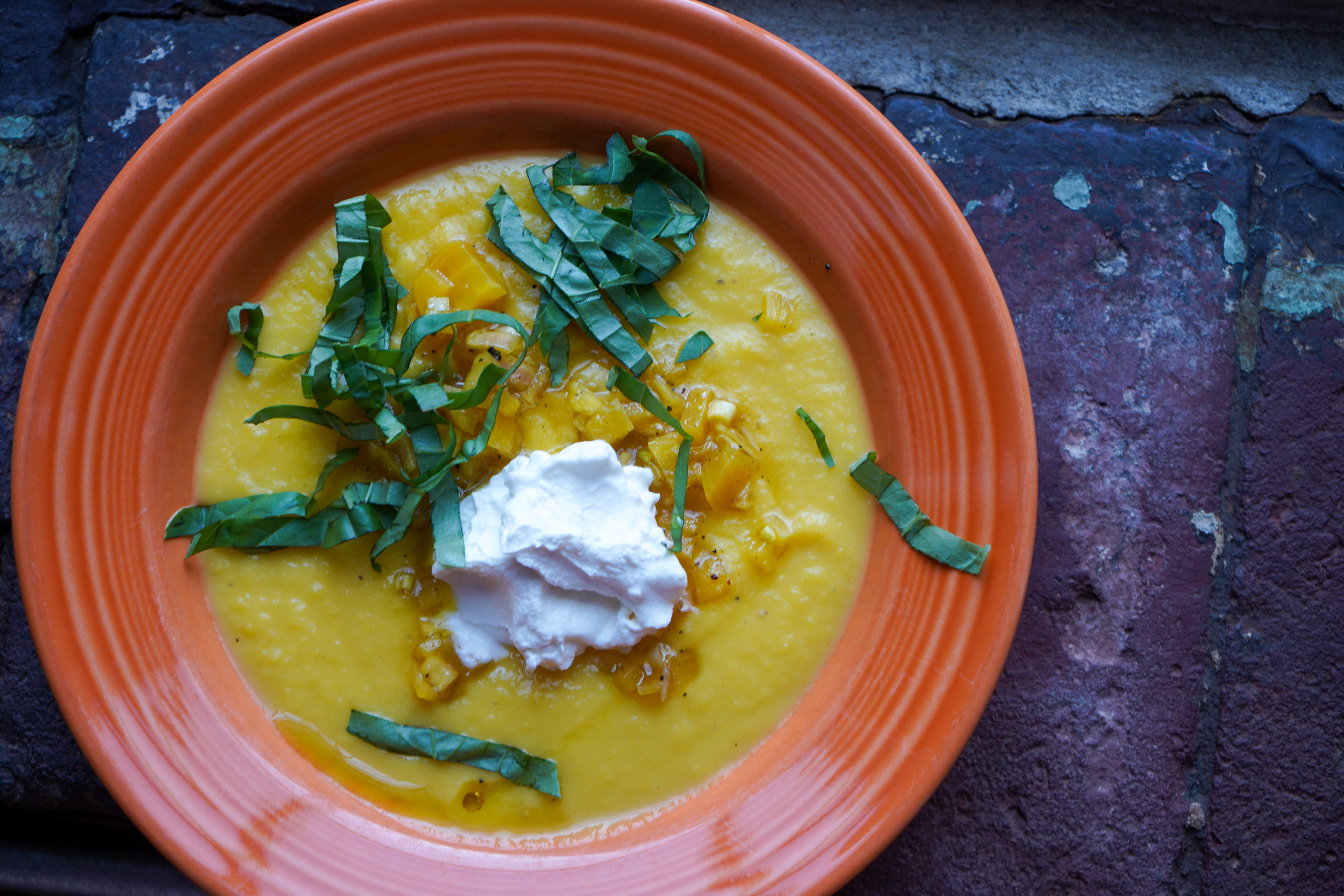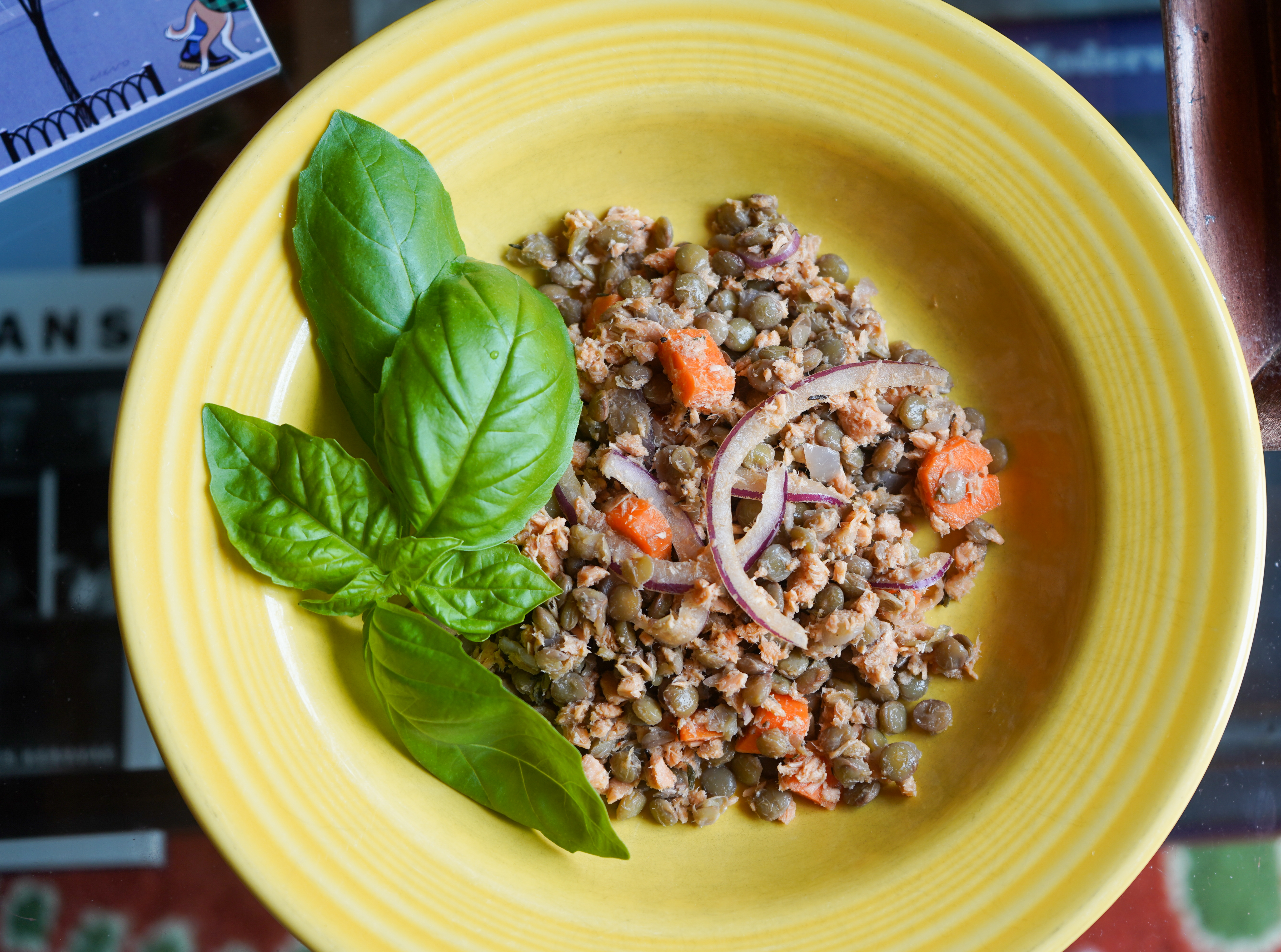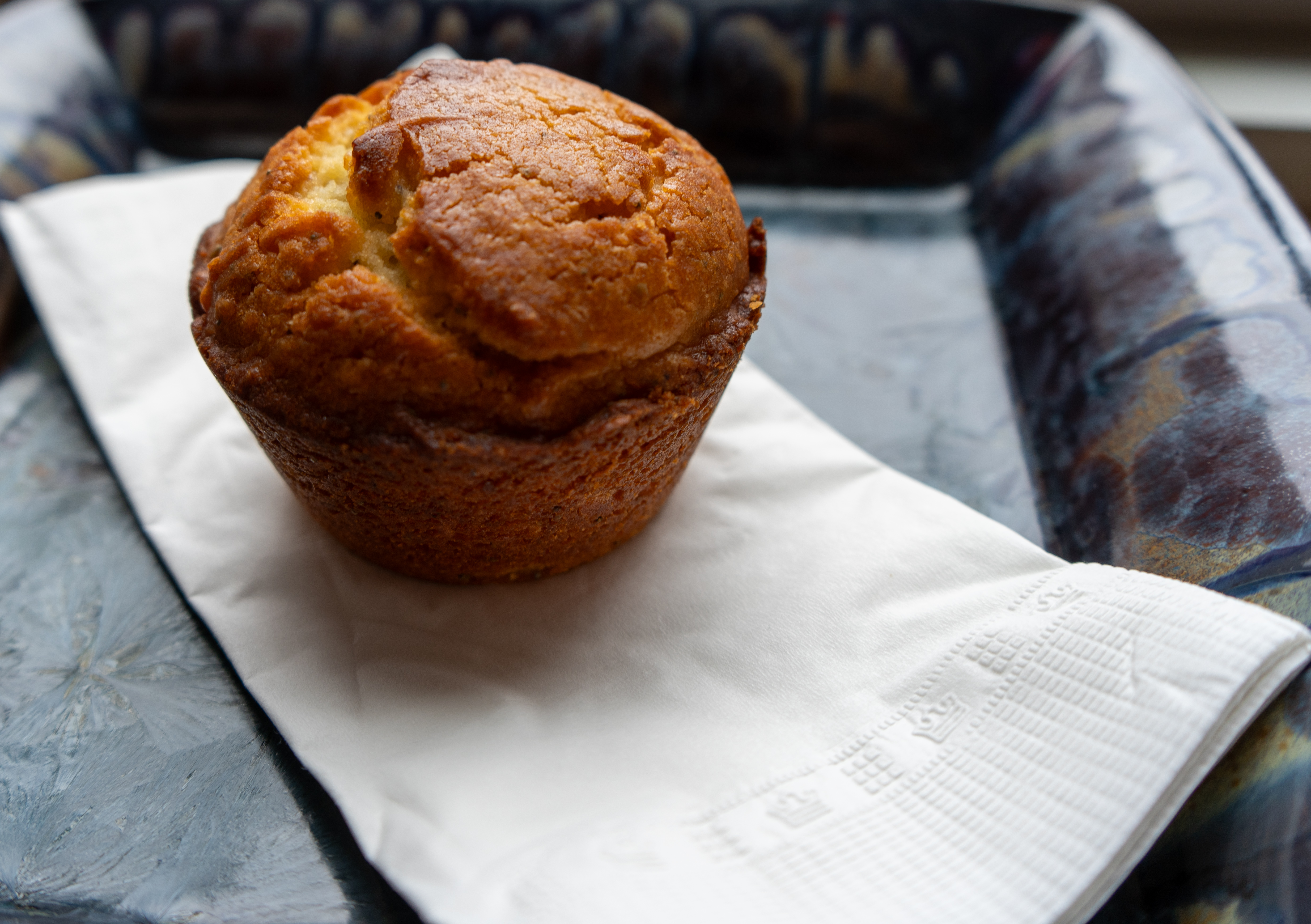
As a kid, I remember my Sicilian-born grandfather bringing the biggest box of Italian cookies to us whenever we visited family in Buffalo, NY. That bakery, The Virginia Bakery, is long gone and our trips to Buffalo have long since stopped, but the memory of of that box of treats remains among the fondest remembrances of our trips to visit relatives.
This Easter season, I was craving a reboot of those memories and, after watching Lidia Bastianich make ricotta cookies, put this recipe on my baking list. The original post comes from Lidia’s website and can be found here. Although not as beautifully shaped as Lidia’s, the bright lemony flavor was spot on.
Ali Slagle, contributor to the New York Times and Washington Post cooking sections, developed this easy and exceptionally versatile recipe. Change the protein to something else – pork, shrimp, or tofu for example. Or swap out the veg to one that will cook quickly. Whatever you choose, this recipe will quickly become a repetoire staple.
We both like things pretty spiced up, so we kept our bottle of Gojuchang close by for a little extra uumph.
I was determined that this was going to be the year that I used up the ENTIRE cabbage.
And so, I went in search of leftover cabbage recipes. Fortunately, my search took place the day after St. Patrick’s Day when I understand a lot of folks like to boil the heck out of cruciferous vegetables (and meat). Apparently, I am not alone in having too much raw cabbage.
While the original recipe, found in the Washington Post’s Weeknight Vegetarian column, uses grits, I substituted polenta. In an effort to make this work, I cooked the polenta prior to starting the cabbage gravy which turns out was a good decision. Too many things going on all at once is not my forte.
We enjoyed this dish – and the leftovers too – and, I’m happy to say, no cabbage was lost to the compost this week.
Recipe by Washington Post Staff Writer, Jim Webster
Ingredients
4 c water
1 c grits (not quick-cooking or instant) (I used polenta. Cook according to package)
1 tsp fine salt, divided
1 T olive oil
1 pound green cabbage (1/2 medium head), thinly sliced
2 T apple cider vinegar
1 small red or yellow onion (about 4 ounces), thinly sliced
3 cloves garlic, minced or finely grated
One (28-ounce) can crushed tomatoes
2 T tomato paste
1 T smoked paprika (make sure the paprika is SMOKED paprika)
1 C unsalted vegetable broth
2 T unsalted butter
Ground black pepper
Method
IF USING GRITS: In a medium pot over high heat, bring the water to a boil. Slowly add the grits, then 1/2 teaspoon of the salt, and stir. Let the water return to a boil, then reduce the heat to medium-low. Partially cover and cook, stirring frequently and scraping the bottom of the pot to prevent sticking, until thick and tender, 25 to 30 minutes.
In a large skillet over medium-high heat, heat the oil until it shimmers and just starts to smoke. Add the cabbage, arrange it in an even layer and cook without moving it until it begins to char, 2 to 3 minutes. Stir and let more of the cabbage char, another 2 to 3 minutes. There should be blackened spots.
Add the vinegar and toss to coat. Transfer about 1 cup of the cabbage to a plate and reserve. Push the rest of the cabbage to one side of the pan.
Add the onion and cook, stirring, until softened, about 3 minutes. Stir in the garlic, and cook until aromatic, about 1 minute.
(NOTE: Adding the liquid to the very hot pan may result in splatters – be ready) Add the crushed tomatoes, tomato paste, paprika, broth and the remaining 1/2 teaspoon salt, and stir to combine.
Bring to a boil, then reduce the heat so the mixture is at a simmer and cook until chunky and soupy, 15 to 20 minutes.
Stir in the butter.
Divide the grits (or polenta) among wide, shallow bowls, forming a well in the middle. Fill each well with the tomato gravy, then top each portion with some of the reserved cabbage.
This ticked all of the boxes: quick, spicy, used what I had in the freezer (shrimp), and was delicious. Ali Slagle, who is one of the awesome Food Editors from the New York Times, developed this recipe and, as she suggests, it is flexible. Replace the shrimp with tofu to make it vegetarian, or substitute edamame for the green beans. You won’t be disappointed.
I’ve come to really appreciate the spicy gochujang, which is usually available in our local market. For more tips on cooking this recipe, check out Ali Slagle in the New York Times Cooking section.
Place an oven rack as close to the broiler as possible. Heat broiler for at least 5 minutes.
In a large bowl, whisk together the gochujang, olive oil, soy sauce and honey until smooth and emulsified. Add the shrimp and green beans and stir to coat.
Using a foil-lined baking sheet, spread the shrimp and string beans evenly in a single layer, leaving behind any excess marinade. Broil until the beans are charred in spots and the shrimp is cooked through, about 5 minutes. (Ali Slagle suggests rotating the sheet pan halfway through, which I did – and the dish came out beautifully).
Maybe it is because my Dad worked in a business related to livestock and agriculture, but I think I’ve always been aware of what a great resource County- and State-sponsored cooperative extension services can be.
This recipe comes from the University of Maine’s Food and Health, and is a real treasure trove of nutritious food resources that fit just about anyone’s budget. This low-fat muffin recipe is no exception. With a hint of lemon flavor (their suggestion is to use lemon yogurt if you want to intensify that flavor), these muffins are light and airy. The website gives nutrition details.
I misread a shopping list item this week ending up with 2 heads of cauliflower instead of one 2-pound head of cauliflower. Oops. With a head of cauliflower needing fairly immediate use, I went searching for a recipe for dinner yesterday that would use items already on hand in our pantry. This recipe from SkinnyTaste was the solution, and a very tasty one at that.
For nutritional information and tips on this recipe and literally thousands of other tasty meal options, visit the SkinnyTaste website.
12 oz spaghetti (whole wheat or Ronzoni Smart Taste recommended) (I used what I had most of which turned out to be Farfalle)
1 large head cauliflower, roughly chopped (about 3 cups)
1 TBSP + 1/2 tsp extra virgin olive oil
1/3 cup Italian seasoned bread crumbs (I left this out since my pasta was already different)
5 anchovies
1 medium onion, chopped
6 TBSP Pecorino Romano
1/2 cup chopped parsley
Method
Boil pasta until al dente in salted water according to directions. Drain pasta, reserving 1 cup water.
Steam (or boil, but I like to steam veggies) cauliflower until tender. Set aside.
IF YOU ARE USING THE BREAD CRUMBS: Add 1/2 tsp oil to small frying pan and toast breadcrumbs (careful not to burn them). Set aside.
In a large fry pan, sauté anchovies in remaining tablespoon of olive oil until they begin to dissolve.
Add onion and cook on medium until golden.
Add steamed cauliflower to the fry pan and mix well.
In a large bowl, toss pasta with parsley, cheese, cauliflower, 1/2 cup pasta water (more if needed, but I definitely didn’t need any) and season with (salt) and pepper to taste.
Divide between 6 plates, sprinkle with toasted bread crumbs.
Who doesn’t love an oatmeal cookie? There’s something satisfyingly warm and fuzzy about them, and, they seem to be a favorite in this house.
This rendition comes from Melissa Clark and can be found in the New York Times cooking section. Butter, eggs, sugar and spiced with cinnamon, nutmeg and ginger, once baked, they won’t last long. I have frozen about half the raw cookie dough and look forward to a fresh-from-the-oven batch in a week or so.
¼ tsp ground cardamom or ground ginger (I used ginger)
3 c (270 g) rolled oats (do not use instant or quick oats)
1½ c (225 g) raisins (or in my case, use chocolate chips or a mixof raisins and chips)
Method
Heat oven to 350 degrees. Butter two large cookie sheets, or as I prefer – line them with parchment paper or reusable silicone liners.
Beat butter in a large bowl of a mixer until creamy.
Add brown and granulated sugars, then beat until fluffy, about 2 minutes.
Beat in eggs, one at a time. Then, beat in vanilla extract.
Mx together the flour, salt, baking soda, cinnamon, nutmeg and cardamom in a separate bowl. Set mixer on low speed, and beat flour mixture into the butter mixture.
Stir in oats and raisins. (or chocolate!) by hand.
Drop dough by large tablespoonfuls onto prepared cookie sheets, leaving at least 2 inches between each cookie.
Bake until cookie edges turn golden brown, about 9 to 13 minutes. Centers will still be quite soft, but they will firm up as the cookies cool. (I found 13 minutes to be the magic number in my oven)
Cool completely on a wire rack. Store in an airtight container at room temperature.
Our usual breakfast is normally very utilitarian – a bowl or oatmeal, yogurt with fruit. Definitely not much in the way of baked goods. But this morning felt a little more celebratory, so I decided we could do with some muffins.
Erika, the creative behind Simply Low Cal, a great resource for those among us who watch calorie intake, posted this 100 Calorie Blueberry Muffin recipe. Since I had an already-opened jar of unsweetened applesauce and a container of blueberries, this find seemed serendipitous. It was not only that, but it was also delicious and satisfying.
I made a few modifications including making the muffins in a larger (double sized) tin and using fresh blueberries in place of the frozen. Definitely a keeper recipe that can be adapted.
There are moments when I wish I had the foresight to set up my gear so that I could photograph the hot food right out of the oven. The image from this recipe would have been high on my list of could-a, should-a photography.
Delicious as a left-over, when the original casserole, which was created by kitchn.com food editor at large Christine Gallary, came from the oven, the gooey, hot molten cheese on top and scattered throughout the casserole base would have made for great food porn. Alas, you’ll just have to take my word for it, or better still, make this casserole for yourself and live in the moment.
Arrange a rack in the middle of the oven and heat to 400°F. Coat a 9×13-inch baking dish with cooking spray or olive oil; set aside.
Heat the olive oil in a large frying pan over medium heat until shimmering. Add the onion and cook, stirring occasionally, until softened, 8 to 10 minutes.
Add the sweet potatoes to the pan and cook until just heated through, about 5 minutes (they will not be cooked through). Transfer the mixture to a large bowl.
Add the black beans, drained tomatoes, 1 cup of the mozzarella, smoked paprika, salt, and garlic and stir to combine.
Transfer to the baking dish and spread into an even layer. Sprinkle evenly with the remaining 2 cups mozzarella cheese.
Spray a large sheet of aluminum foil with cooking spray or coat with olive oil. Place the foil greased-side down over the baking dish and cover tightly.
Bake for 30 minutes. Uncover and bake until the sweet potatoes are tender and the cheese on top is browned in spots, about 30 minutes more.
Let cool 10 minutes before serving topped with yogurt and cilantro.
Keeping with one of my New Year’s resolutions, I have been exploring cooking from the items we keep on hand in our pantry. This shift in meal preparation was precipitated by Christopher Kimball’s Cook What You Have, and while it is an adjustment, I’ve found it particularly satisfying to raid our fridge and pantry. We still cook from our repertoire of favorites, but having a 25 +/- pantry of standards is helping me to be more mindful about shopping for seasonally available and local items, and we’ve been able to cut our food shopping expenses quite a bit.
On this pre-snowmagedden afternoon in Massachusetts (the list of school cancellations is growing by the hour), I made Tuna Gochujang Noodles (p. 43). This was served with kimchi on the side and with some unsalted, roasted peanuts on top for a little added crunch. Gochujang really makes this both savory and rich and, at least here in Massachusetts, it is fairly commonly found in food stores.
Delicious, satisfying, and, I almost won’t care if we lose power.
Tuna Gochujang Noodles
Ingredients (see referenced cookbook p 43 for instruction)
capellini or somen noodles (I had capellini in the pantry)
gochujang
toasted sesame oil
soy sauce
brown sugar
unseasoned rice vinegar
fresh ginger or garlic or a combination (I stuck with the ginger)